Local businesses in Miami, FL listed on back-in-business.org

About Miami, FL

Miami, Florida, embodies a powerful story of economic rebound and enduring entrepreneurial spirit. The city consistently navigates market shifts and external pressures, emerging stronger each time. Following the 2008 financial crisis, Miami-Dade County saw a 15% increase in small business formations by 2012, highlighting its capacity for reinvention. Its diverse economic pillars, including international trade, tourism, and finance, provide a foundational strength that supports rapid recovery cycles.

Local businesses drive this resilience. The Miami-Dade Beacon Council reported a 3.5% job growth rate in 2023, surpassing national averages. This growth reflects the perseverance of countless enterprises, from family-owned restaurants in Little Havana to tech startups in Brickell. Miami's business community collectively adapts, innovates, and rebuilds, solidifying its reputation as a dynamic hub for sustained economic activity.

Neighborhoods and Landmarks in Miami

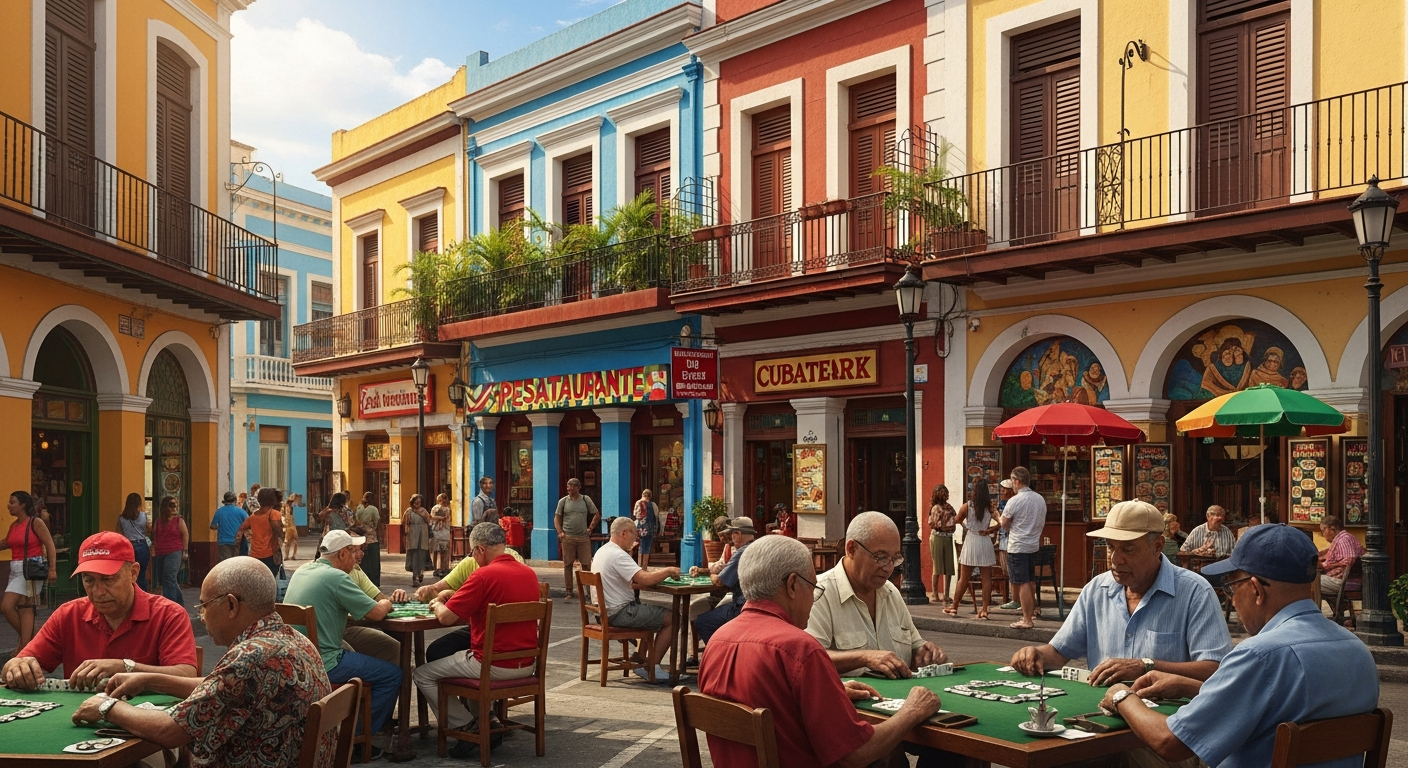
Little Havana. Calle Ocho (SW 8th Street) serves as the commercial spine of Miami's Cuban community, hosting independently owned restaurants, cafeterias, cigar shops, fruit stands, and domino parks. The corridor stretches 15 blocks from SW 12th to SW 27th Avenue.

Wynwood Arts District. A former warehouse district transformed into an outdoor gallery and independent business hub. Over 70 art galleries, independent restaurants, and creative studios operate alongside the Wynwood Walls outdoor mural collection.

Design District. A 18-block neighborhood north of Midtown featuring independently owned design showrooms, art galleries, and restaurants alongside luxury retail. The district hosts monthly art walks drawing 5,000+ visitors.

Coconut Grove. Miami's oldest continuously inhabited neighborhood operates a walkable village center with independent restaurants, boutiques, and marine supply businesses serving the adjacent sailing and boating community.

Little Haiti. The cultural center of Miami's Haitian community along NE 2nd Avenue features independent Creole restaurants, bakeries, botanicas, barbershops, and Caribbean grocery stores serving a community of 100,000+ Haitian Americans.

Coral Gables Miracle Mile. A half-mile stretch of independently owned restaurants, bridal shops, art galleries, and professional offices in the planned community of Coral Gables. The Mediterranean Revival architecture dates to the 1920s.

Upcoming Events in Miami

Mar 8

Calle Ocho Festival

SW 8th Street, Little Havana

The largest Hispanic street festival in the United States draws 1 million attendees along 23 blocks of Calle Ocho. Independent food vendors, musicians, and cultural organizations fill the street from noon to midnight.

2nd Saturday

Wynwood Art Walk

Wynwood Arts District, Miami

Monthly open gallery night in Wynwood where 50+ independent galleries open their doors simultaneously. The free event draws 10,000+ visitors who browse art and dine at neighborhood restaurants.

Feb 13

Coconut Grove Arts Festival

Coconut Grove, Miami

Three-day outdoor arts festival ranked among the top art shows in the United States. Over 300 independent artists exhibit alongside local food vendors and live music in Coconut Grove's village center.

Oct 17

South Beach Seafood Festival

Lummus Park, South Beach

Annual beachfront festival featuring 30+ independent Miami seafood restaurants competing for best dish honors. The festival highlights the city's independent restaurant community along the waterfront.

May 16

Little Haiti Book Festival

Little Haiti Cultural Complex

Annual literary festival celebrating Haitian and Caribbean culture through readings, panel discussions, and independent booksellers. The festival supports Little Haiti's independent business corridor along NE 2nd Avenue.

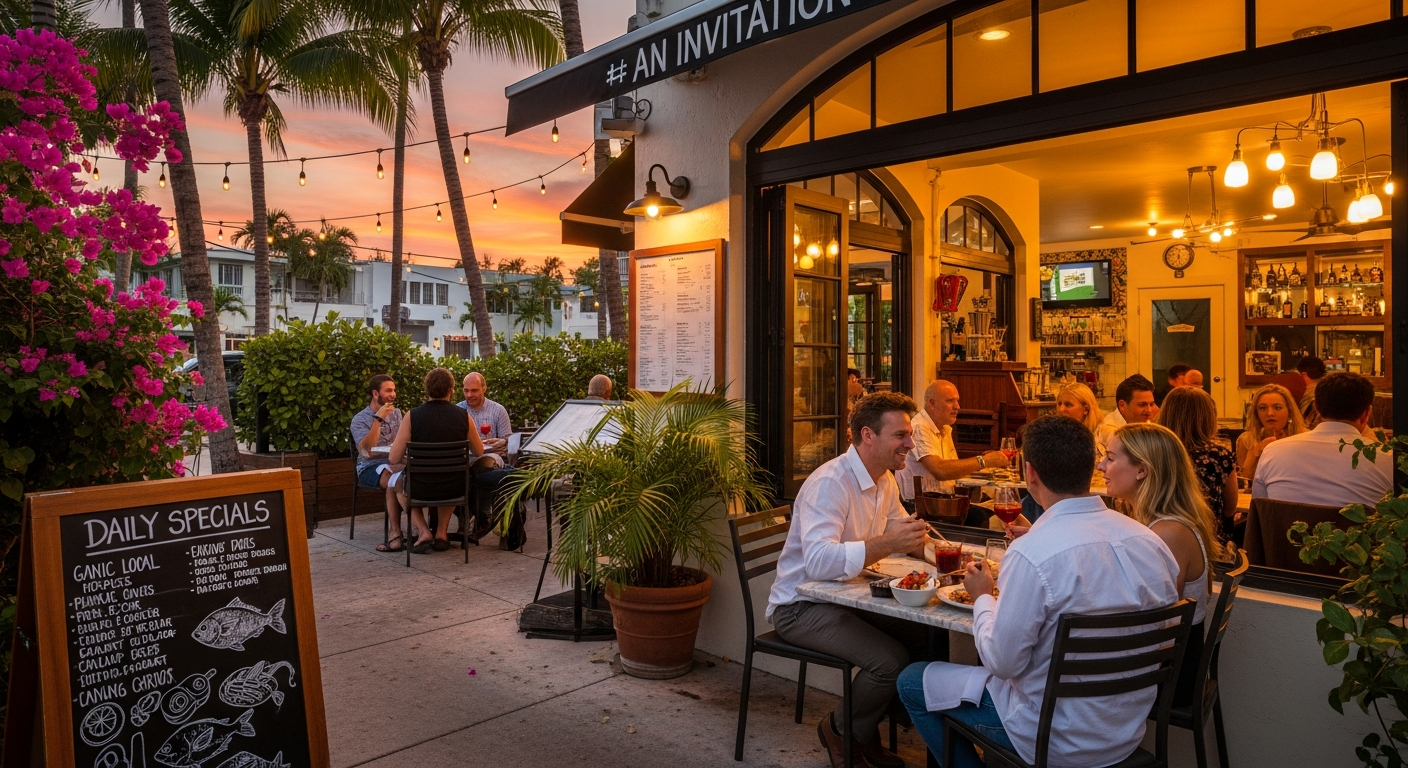
Restaurants & Dining in Miami

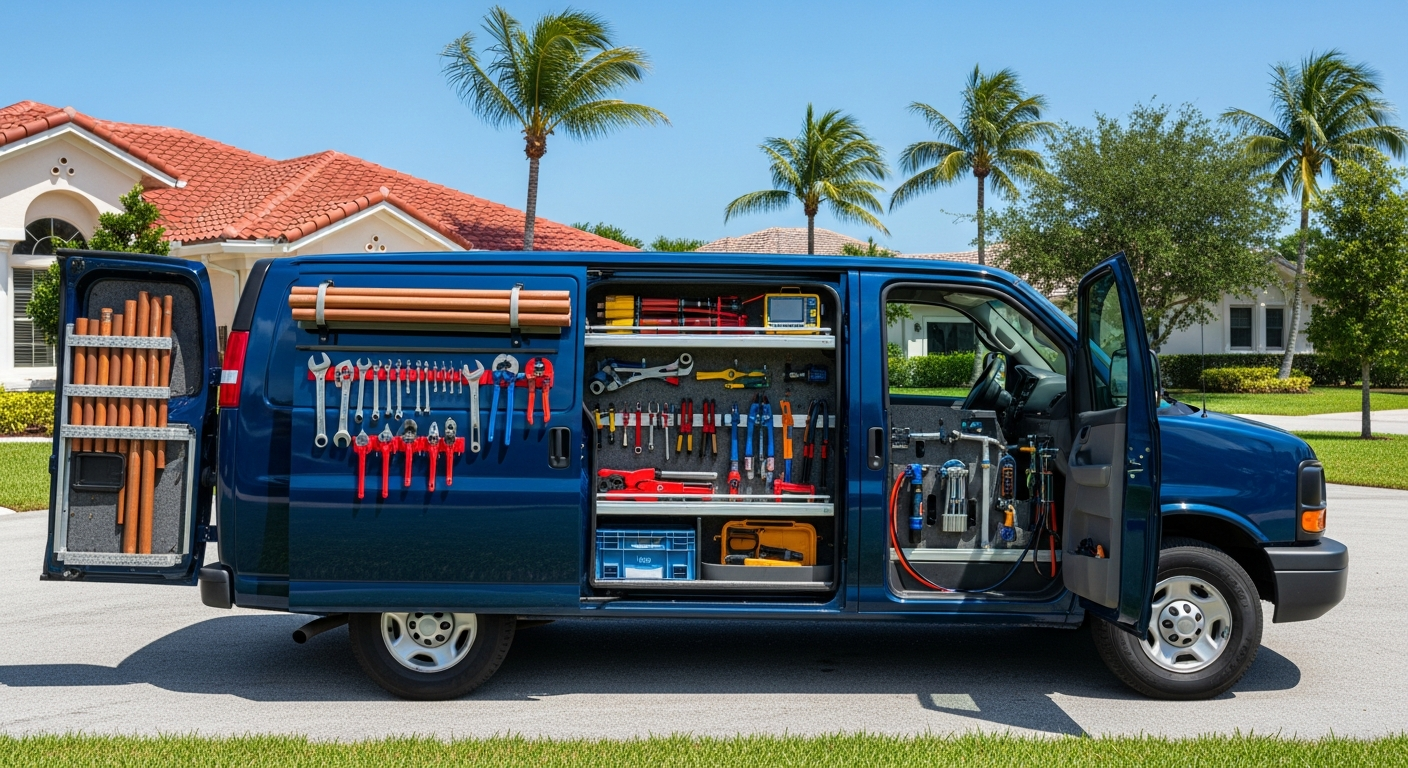
Home Services in Miami

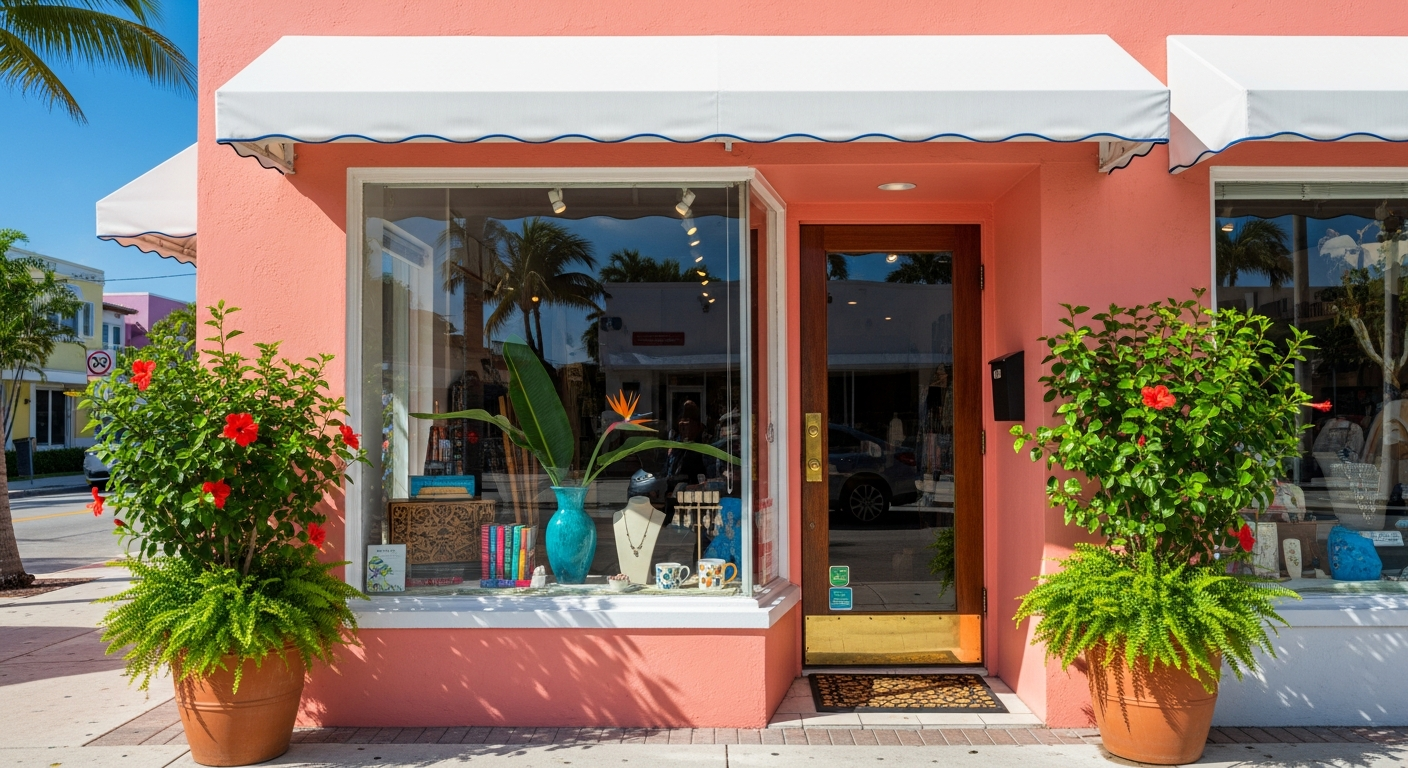
Retail & Shopping in Miami

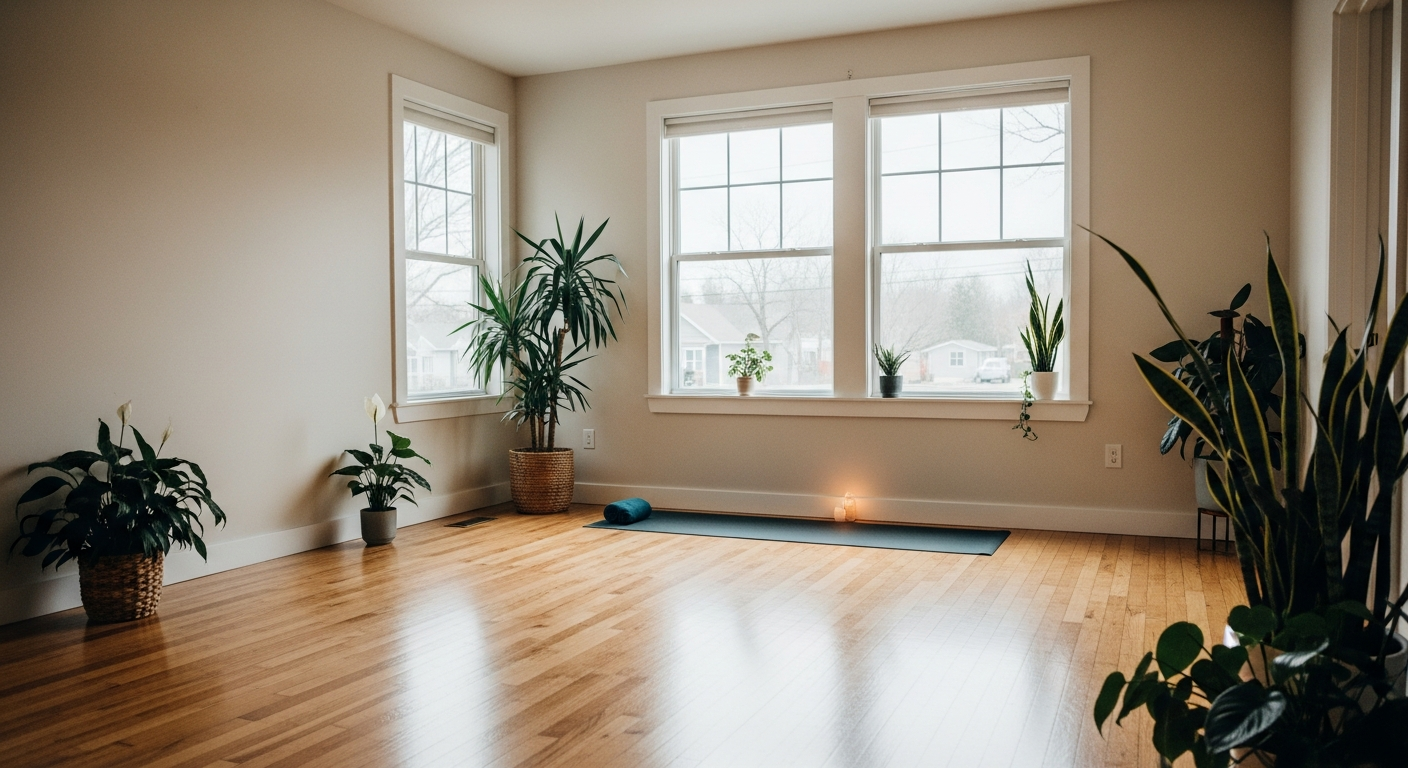
Health & Wellness in Miami

Beauty & Grooming in Miami

Tips for Finding Local Businesses in Miami

How did Miami's hospitality sector demonstrate resilience following pandemic-related disruptions?

Miami's hospitality businesses quickly adapted to unprecedented challenges. Hotels in South Beach, for example, reconfigured spaces for remote work packages, attracting new client segments. Restaurants across Wynwood and Brickell rapidly expanded outdoor dining options and implemented contactless delivery systems, maintaining revenue streams. The Miami-Dade County Department of Regulatory and Economic Resources reported a 12% increase in new restaurant permits between 2021 and 2022, signaling robust recovery and new business confidence. Local support programs, like the Miami-Dade Small Business Assistance Program, provided essential funding, helping many establishments remain operational and retain staff during difficult periods.

Which emerging industries contribute significantly to Miami's ongoing economic growth and diversification?

Technology and finance stand as key drivers in Miami's economic diversification. Downtown Miami and Brickell attract numerous venture capital firms and fintech startups, adding over 5,000 new jobs in these sectors since 2020. Local initiatives, such as the Miami Downtown Development Authority's "Tech Forward" program, offer incentives and support for relocating tech companies, fostering a vibrant ecosystem. Wynwood and the Miami Design District continue to nurture creative industries, drawing design firms and art businesses that stimulate local economies. This strategic focus on high-growth sectors helps insulate Miami from single-industry vulnerabilities, promoting long-term stability and expansion.

Where can visitors find compelling examples of community-supported small business perseverance in Miami?

Little Havana offers a vibrant showcase of community-driven business resilience. Calle Ocho's historic cigar shops, independent bakeries, and family-owned restaurants consistently adapt to market changes, preserving cultural heritage while serving new generations. Residents actively patronize these establishments, ensuring their longevity. Coconut Grove's independent boutiques and cafes also demonstrate strong local backing. After facing significant development pressures, businesses here formed merchant associations, advocating for local interests and promoting "shop local" campaigns. This collective action helps maintain unique neighborhood character and supports the economic viability of small, independent enterprises.