
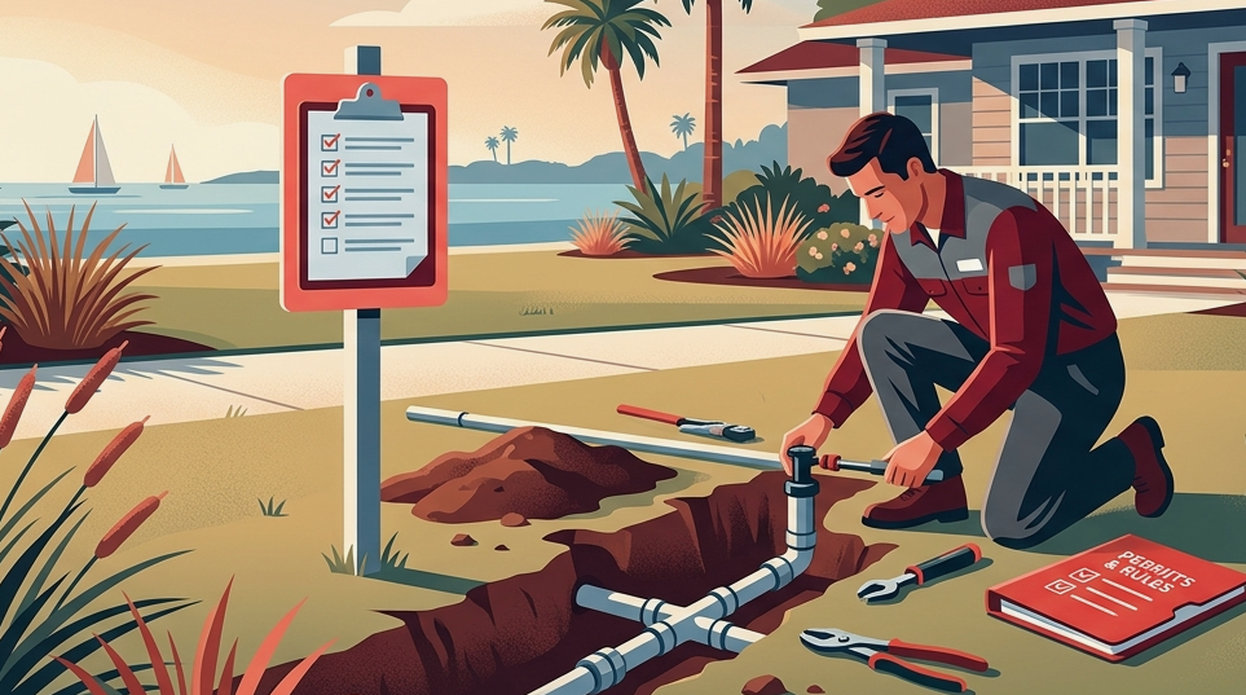
Permits and Local Rules That Affect Lawn Sprinkler System Contractor Work in Palm Harbor
Palm Harbor sits along the Pinellas County coast with neighborhoods that stretch from Lake Tarpon to the Intracoastal Waterway. Homeowners here rely on consistent irrigation because sandy soil drains fast and summer heat stresses St. Augustine grass. A lawn sprinkler system contractor installs equipment that keeps lawns green without waste. Strict local rules shape every installation so systems match water restrictions and environmental standards that define this part of Florida.
Residents value resilience after storms roll through from the Gulf. Reliable sprinkler setups help yards recover quickly once power returns and rains taper off. Understanding the permit process lets homeowners work smoothly with contractors and avoid project delays that stretch into the next dry spell.
Lawn Sprinkler System Contractor Services
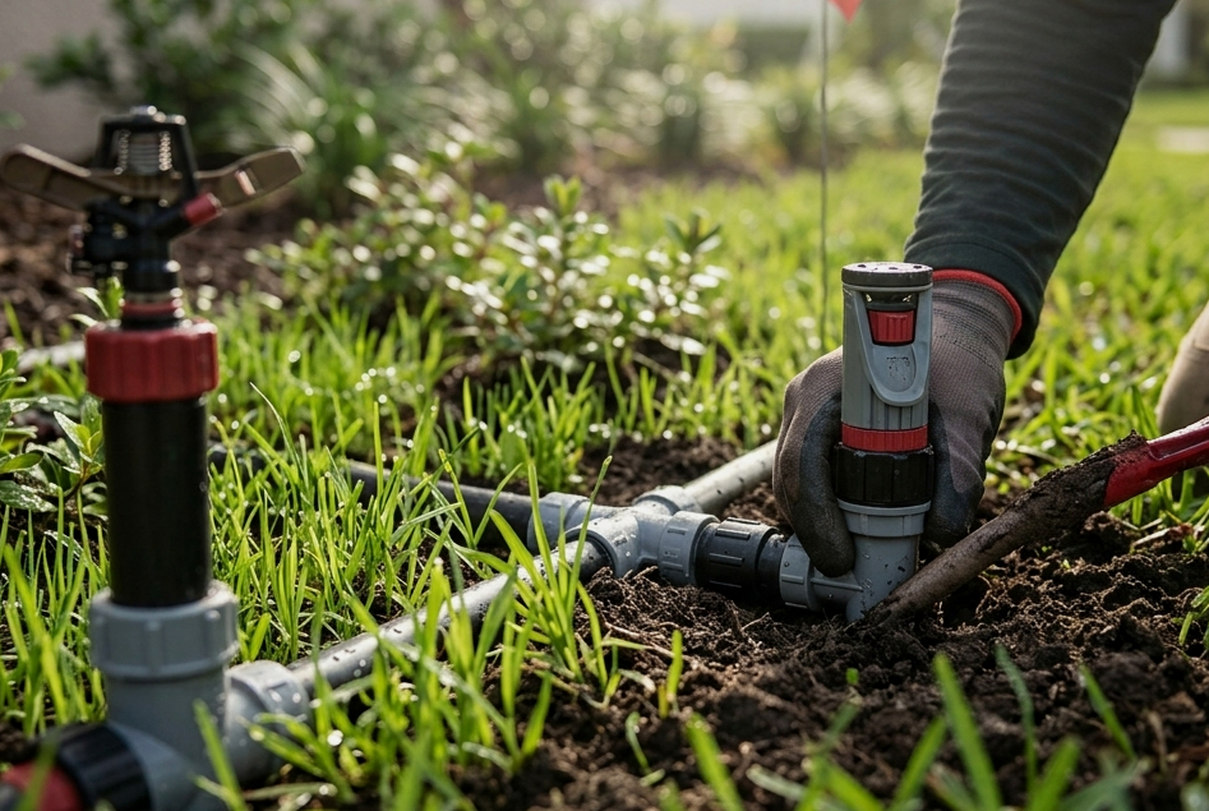
Lawn sprinkler system contractors design and install underground piping, sprinkler heads, valves, and controllers that deliver precise water amounts to each zone. The work starts with soil tests and site surveys that map sun exposure, slopes, and plant types common in Palm Harbor yards. Systems range from basic timer models to smart controllers that adjust schedules based on weather data pulled from local stations. Proper design prevents runoff into storm drains that empty near the coast. Homeowners gain peace of mind when the system runs efficiently year after year. Palm Harbor lawn sprinkler contractor
Permit Requirements in Palm Harbor
Any new sprinkler installation or major repair in Palm Harbor requires a permit from Pinellas County Development Services. Contractors submit detailed plans that show pipe layouts, backflow preventer locations, and zone coverage. The review checks compliance with Florida Building Code sections that govern irrigation. Approved permits display at the job site so inspectors verify work at key stages. Failure to pull the right permit triggers stop-work orders and possible fines that disrupt timelines. Many homeowners let the contractor handle the paperwork because licensed professionals know the exact forms and supporting documents the county demands. Short delays in approval often trace to missing details on water meter connections or pump placements near Lake Tarpon homes.
Water Conservation Rules
Pinellas County enforces year-round water restrictions that limit irrigation days and times for Palm Harbor addresses. Odd addresses water on specific weekdays while even addresses follow the alternate schedule. Sprinkler systems must include rain sensors that shut off automatically after sufficient rainfall. New installations incorporate pressure regulators and low-flow heads that meet state efficiency standards. These features protect the aquifer that supplies local wells and reduce strain on treatment plants near the coast. Contractors program smart controllers to skip cycles during rainy season downpours common from June through September. The rules encourage xeriscaping in visible front yards so drought-tolerant plants reduce water demand. Residents who follow the schedule watch their St. Augustine lawns stay thick and green without excess runoff into nearby retention ponds.
Backflow Prevention Standards
Backflow prevention devices rank among the most important safety components a lawn sprinkler system contractor installs. Local codes require a reduced-pressure principle assembly or double-check valve on every system tied to the public water supply. These devices stop irrigation water from flowing backward into drinking lines during pressure drops. Inspectors test the assembly during final approval and require annual certification afterward. Palm Harbor homes near the Intracoastal Waterway face extra scrutiny because tidal influences affect local water pressure. Proper backflow protection keeps families safe and helps the entire community maintain high drinking water quality. Contractors who understand these standards finish jobs faster because they bring pre-tested equipment that passes inspection the first time.
Local Environmental Considerations
Coastal geography shapes many rules that govern sprinkler work in Palm Harbor. Sandy soils and a high water table demand careful trench depths so pipes avoid seasonal flooding after tropical storms. Contractors select materials rated for salt air corrosion that blows in from the Gulf. Installations must direct runoff away from mangrove fringes and seagrass beds protected under state environmental law. Many neighborhoods border conservation lands where extra setbacks apply to equipment placement. The focus on resilience shows in systems built to withstand high winds and heavy rains that arrive each hurricane season. Homeowners who choose compliant designs watch their properties recover faster after storms while they support broader efforts to preserve the natural beauty that draws families to this part of the Tampa Bay area. Back in Business directory connects residents with reliable local services across multiple cities. Similar home projects appear in directories for other communities such as Knoxville home services, Savannah home services, and Madison home services.
Palm Harbor homeowners who grasp these permits and rules complete irrigation upgrades with fewer surprises. Knowledge of local codes supports resilient landscapes that endure Florida weather while they conserve water for the long term. Palm Harbor residents keep their neighborhoods green and compliant through careful planning with qualified contractors.